Why Are Prices Going Up? How to Read an Everyday Price Increase
You buy the same coffee, repair, grocery item, or subscription you bought before, but this time the price is higher. Someone says “inflation,” someone else blames wages or corporate greed, and the explanation becomes political before anyone has established what happened to this particular price.
Inflation may describe the broader environment, but a price is the visible end of a chain. If you want to understand one increase, trace that chain backward before deciding which explanation fits.
First, make sure the price really changed
Compare the same product, amount, quality, location, seller, tax treatment, and time period. A larger package, premium version, delivery fee, expired promotion, or added service can make two totals look comparable when they are not.
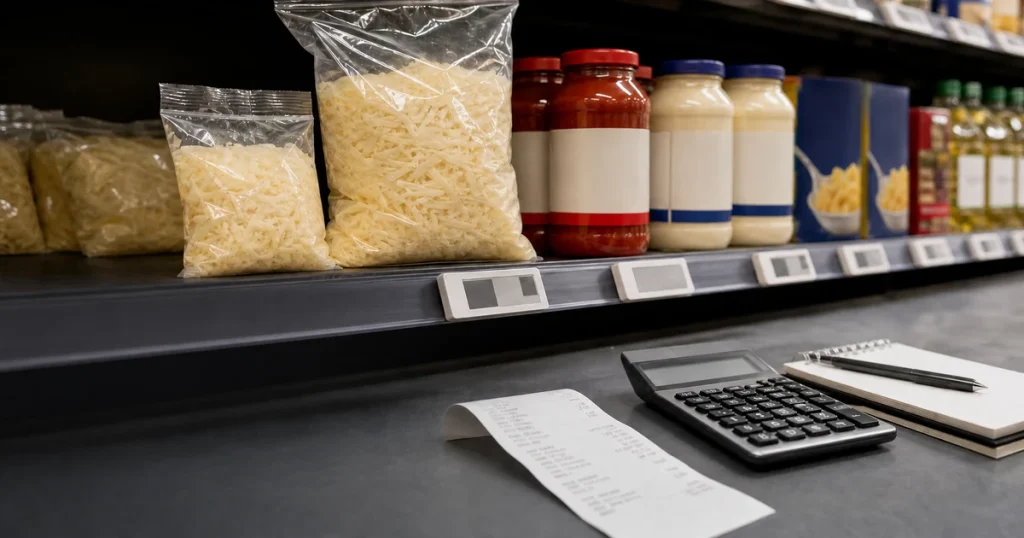
The reverse happens with shrinkflation. The shelf price may stay at $5 while the package falls from 16 ounces to 14, so the amount you pay for each ounce has increased even though the sticker has not.
You should compare unit prices and ordinary prices rather than a sale price from one week with the full price from another. That simple check prevents you from building a complicated explanation for a change that was really in the offer.
Follow the price backward through the business
Imagine a neighborhood restaurant raises a lunch from $12 to $14. The extra $2 could reflect higher food costs, wages, rent, insurance, utilities, card fees, delivery fees, or waste. It could also reflect stronger demand, fewer competitors, a larger portion, or a decision that the previous price was no longer sustainable.
Those explanations are not interchangeable. If ingredient costs rose temporarily after a poor harvest, the pressure may ease; if the lease renewed at a permanently higher rate, the restaurant may have less room to reverse the change.
For a service business, labor, insurance, travel time, equipment, and scheduling capacity may matter more than raw materials. For an imported product, freight, currency movements, tariffs, factory capacity, and distributor pricing may carry more weight.
Separate a broad increase from a local one
When several unrelated sellers increase comparable prices, a shared upstream cost or market change becomes more plausible. When only one seller changes, look more closely at that company’s product, position, costs, and competition.
National averages provide context, not a verdict about your receipt. The Consumer Price Index measures average price change across a representative basket, and the Bureau of Labor Statistics explains why averages and individual experiences differ.
Your household buys a different mix of housing, food, transportation, health care, and services than the average used in a headline. A national category can therefore be rising more slowly than the items taking the largest share of your own budget.
Ask what evidence would distinguish the stories
A plausible explanation is not automatically the dominant explanation. If someone says a shortage caused the increase, you would expect evidence of reduced supply, delayed availability, or similar changes across sellers. If competition weakened, you might find store closures, fewer substitutes, or prices rising without a matching input shock.
If the seller says costs rose, look for which costs and when. Businesses sometimes absorb an increase for months before changing prices, so the public price and the original cost shock may not appear at the same time.
And if the product itself changed, compare what you now receive. Better ingredients, a longer warranty, a new feature, reduced service, or a smaller package may explain part of the difference more directly than the economy as a whole.
Turn the explanation into a decision
If you are buying for a household, compare unit cost, substitutes, contract terms, timing, and how much the increase actually changes your budget. A product you buy once a year deserves a different response from rent, food, medicine, or transportation.
If you run a business, decide whether the pressure is temporary, persistent, or still uncertain before changing price, inventory, staffing, or capacity. A permanent response to a short disruption can create a new problem when supply returns, while waiting too long on a structural cost increase can make otherwise busy work unprofitable.
The honest answer may involve several causes, and sometimes the available evidence will not reveal their exact shares. That is still better than forcing every increase into one slogan, because tracing the chain shows you which part can change, which part may last, and what you can realistically do next.