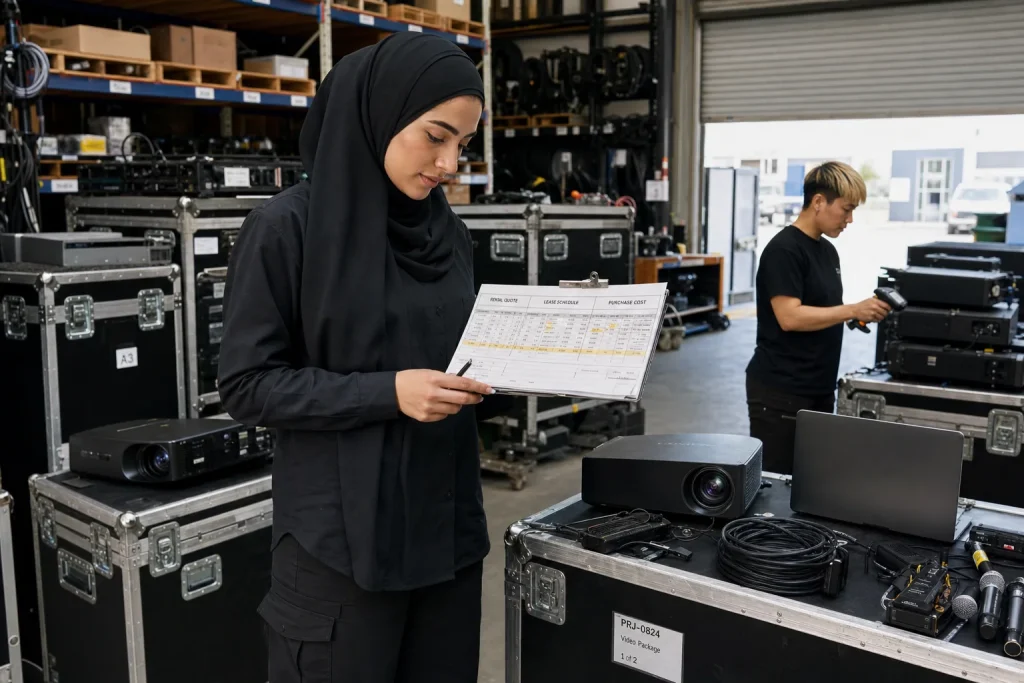
Should Your Business Buy, Lease, or Rent Technology Hardware?
Buying technology hardware can mean purchasing equipment outright, financing it, leasing it for a term, or renting it for a short need. The monthly payment makes these choices look easy to compare, but ownership, maintenance, return conditions, and downtime often matter more than the first number you see.
You should match the acquisition method to how long you need the equipment, how quickly it becomes obsolete, and who can keep it working, because the total lifecycle cost matters more than the first payment. The SBA's equipment financing and leasing overview also emphasizes comparing lease types, fees, terms, maintenance, and flexibility rather than assuming every monthly arrangement works the same way.
Buy when the equipment will remain useful
Purchasing is often the clearest option for equipment with a long useful life, predictable needs, and manageable maintenance because you control the asset, can keep it after it is paid for, and may have more freedom to repair, modify, or resell it.
But ownership also means carrying the risk of failure, obsolescence, secure disposal, and a weak resale market. Include warranties, spare units, support, accessories, installation, and end-of-life handling in the purchase cost.
You should ask your tax professional how a purchase, financed purchase, or lease would be treated in your circumstances. The accounting label in a sales proposal isn’t personalized tax advice.
Lease when regular replacement or predictable costs matter
A lease may fit equipment that needs a regular replacement cycle or would require too much cash at once, and it can make costs more predictable or bundle service. But you still need to read the end-of-term conditions.
Ask whether the agreement is a return lease, buyout arrangement, or financing contract that effectively requires the full purchase price. Confirm total payments, interest or fees, insurance, early termination, automatic renewal, return shipping, condition standards, data removal, and the price to keep the equipment.
The common mistake is comparing a lease payment with a purchase price instead of comparing the total cost over the same period. A lower monthly figure can conceal a longer commitment and no asset at the end.
Rent for temporary demand or uncertainty
Renting can be sensible for an event, seasonal workload, temporary employee, emergency replacement, pilot project, or specialized job. You pay more per day or month, but avoid owning equipment after the need disappears.
You should consider a rental when you are still learning the specification you need. A short trial with the real workload may prevent a larger buying mistake.
Confirm delivery, setup, support, damage responsibility, replacement time, late fees, cleaning, and the exact return deadline. If the equipment stores data, establish who erases it and how that erasure is verified.
Compare the full cost over the same period
Build a three-column comparison for the period you expect to use the hardware. Include:
- upfront and recurring payments;
- installation, training, and accessories;
- maintenance, repairs, and replacement units;
- insurance, taxes, shipping, and fees;
- upgrade or refresh options;
- downtime risk;
- end-of-term value or return cost; and
- secure data removal and disposal.
For example, a purchased printer may look cheaper than a managed lease until you add service calls and downtime, but a lease can be worse when the business prints very little and remains committed long after its needs change.
Don’t let the payment schedule make the decision for you. Buying may suit equipment you’ll use for years, leasing may help when regular replacement or service is valuable, and renting may be worth the extra cost for a temporary need. Before you agree, make sure you understand what you’ll pay throughout the time you use it and what happens at the end.