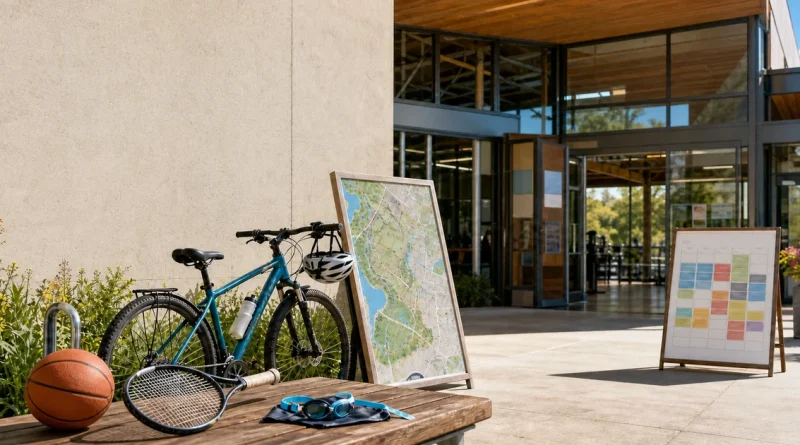
How to Choose a Sport or Recreational Activity You’ll Actually Keep Doing
You can be genuinely excited about a sport and still discover that the league meets on the worst night of your week, the nearest facility is an hour away, or the culture makes beginners feel unwelcome. That doesn't mean you chose badly. It means interest was only one part of the choice.
The sport you're most likely to keep doing is the one that fits your body, schedule, budget, and preferred way of spending time.
Name the experience you want
Decide whether the goal is health, competition, outdoor time, skill, community, stress relief, or shared family activity. Rank the goals when they conflict.
A competitive league and a casual recreation group can use the same sport while providing very different experiences.
Check the physical demands
Consider impact, endurance, strength, balance, coordination, contact, weather, and repetitive movement. Review current injuries, health conditions, and mobility limits.
Speak with a health professional before vigorous activity when appropriate. The CDC's adult activity guidance recommends gradual participation and medical guidance for certain health conditions and inactive people starting vigorous activity.
Calculate access
Map travel, practice times, season length, facility availability, weather, registration deadlines, and whether missing sessions creates a problem for teammates.
The activity must fit an ordinary week, not only a week with no work, family, or transportation conflicts.
Calculate the first year
Include registration, membership, coaching, equipment, maintenance, travel, events, insurance, and replacement costs. Ask which equipment can be rented, borrowed, or bought used safely.
Don't buy advanced gear before you've confirmed that the activity fits.
Test the culture
You should consider attending a practice or introductory session before committing to a season, because watching how people treat beginners, mistakes, safety, competition, and different abilities tells you something a league description cannot.
Ask yourself a simple question afterward: did you leave wanting to get better, or were you mostly relieved that it was over? One rough first session doesn't settle the matter, but your response is useful information.
Ask about coaching qualifications, emergency procedures, conduct rules, and how conflicts are handled. The people around the sport are part of the sport you will experience.
Start with a trial period
Choose a short class, rental, open practice, or recreation league. Track enjoyment, soreness, scheduling friction, cost, and whether you want to improve.
Initial difficulty is normal. Persistent dread, unsafe pressure, or a schedule that repeatedly fails is useful information.
Review the fit
After several sessions, ask whether the activity supports the original goal and whether the barriers are solvable. Change the format before abandoning the sport entirely.
The best sport for you isn't the one that looks most impressive from the outside. It's the one that earns a durable place in your real life.