What Equipment Does a Beginner Really Need?
If you're new to a sport, it's easy to feel as though everyone else knows what to buy and you're the only person staring at a wall of nearly identical gear. You don't need the best version of everything. You need equipment that lets you participate safely, follows the rules, and fits well enough that the gear doesn't become the reason you quit.
The upgrades can wait until you've played long enough to know what problem you're actually trying to solve.
Ask the program what is required
You should get a written list from the league, instructor, facility, or governing body before you shop, because allowed models, sizes, certifications, colors, and shared-equipment rules can make an otherwise good purchase unusable.
Don't rely only on a retailer's "starter bundle." It may include things you don't need while leaving out something your program requires.
Prioritize protective fit
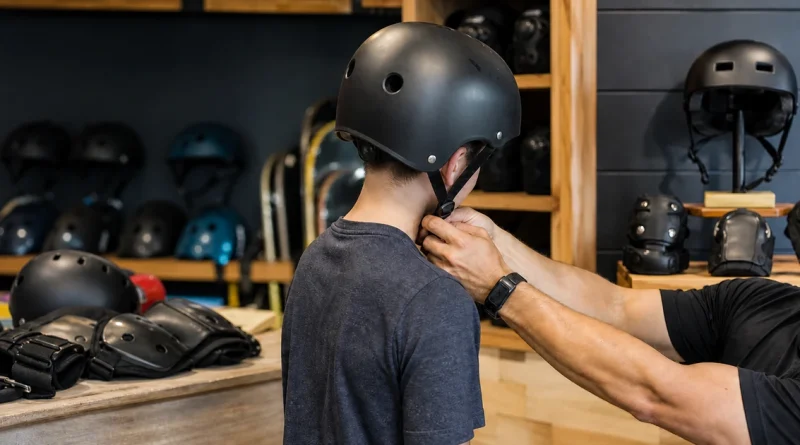
Helmets, footwear, eye protection, mouth guards, pads, flotation devices, and other protective items must suit the activity and user. The MedlinePlus sports-safety guide emphasizes appropriate shoes, gear, hydration, warmup, and full recovery after injury.
Check condition, fit, adjustment, expiration, impact history, and certification instructions. Used protective equipment may be a poor bargain when its history cannot be verified.
Rent or borrow before specializing
Rental equipment can reveal preferred size, style, and frequency of participation. Borrow only when fit and safety can be confirmed.
Ask whether rental fees apply to a later purchase and who maintains the equipment. Inspect it before use and report defects.
Buy the durable basics
Choose equipment that is adjustable where appropriate, repairable, and supported by available replacement parts. Comfort matters when discomfort prevents proper use or participation.
Avoid buying for the athlete you imagine becoming six months from now. Beginner equipment is often easier to control and more forgiving while you're learning.
What the salesperson can't decide for you
A salesperson can explain features, but they can't know whether you'll play twice a week, twice a year, indoors, outdoors, casually, or competitively unless you tell them. Give them your actual situation and budget.
If every recommendation leads to the premium model, slow the conversation down. Ask what you would lose by choosing the less expensive option and whether a coach would notice that difference at your level.
Budget for ownership
Include maintenance, sharpening, strings, tires, batteries, cleaning, storage, transport, and replacement. Some activities cost little to enter but more to sustain.
Label equipment and keep receipts, manuals, and size information. Learn the inspection schedule before something fails.
Upgrade from evidence
After enough participation, identify the actual constraint. An upgrade should solve a specific problem such as fit, reliability, range, weight, or competition requirement.
Skill instruction often creates more improvement than premium equipment. Ask a qualified coach who is not earning the sale.
Your goal isn't to own everything that belongs to the sport. It's to participate safely long enough to learn what is genuinely worth owning.