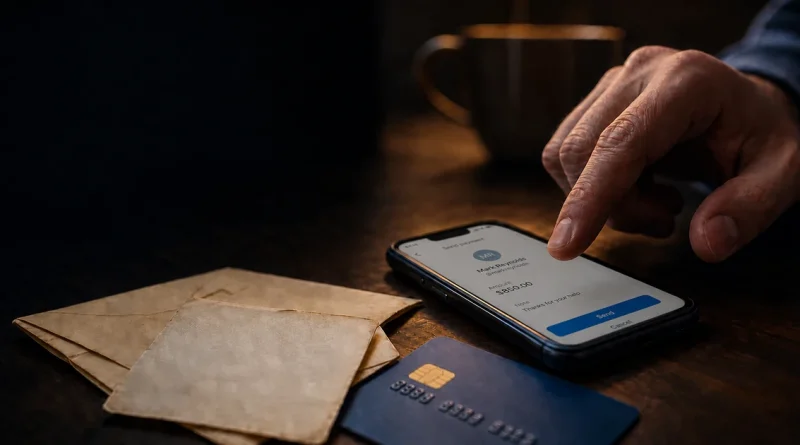
Is This a Scam? A Calm Checklist Before You Send Money or Information
When a message scares you, excites you, or makes you feel responsible for someone else's emergency, your first instinct may be to solve the problem quickly, which is exactly why the first step is to stop.
You don't have to decide whether the person sounds like a scammer. You should preserve the message and verify the identity, story, and payment request through a channel you already trust, because polished language, familiar logos, and caller ID can all be manufactured.
Stop the requested action
Don't send money, share a code, install software, grant remote access, move cryptocurrency, or provide identity information while you're checking. Don't use the message's links to perform the verification.
Save screenshots, addresses, phone numbers, usernames, receipts, envelopes, and the exact wording. Evidence can disappear after an account is reported.
Identify the claimed sender
Find the organization's official website, statement, card, or prior trusted record yourself. Contact it through a known number or account.
Caller ID, logos, email display names, and search advertisements can be spoofed. Verification must use a channel the requester did not supply in the suspicious message.
Test the story
Ask what happened, why you are involved, what document supports it, and how the deadline was established. Scammers often resist questions, move the conversation off-platform, or change details.
Common pressure includes threats, secrecy, guaranteed returns, unexpected prizes, romance emergencies, account-security claims, job equipment checks, and requests to move money for "protection."
Examine payment
Gift cards, wire transfers, cryptocurrency, cash couriers, payment apps, and checks followed by a request to send money elsewhere are high-risk patterns.
Do not assume a deposited check has permanently cleared. Banks may make funds appear available before discovering that the check is fraudulent.
Get a second person involved
Talk with someone who is not emotionally or financially invested in the request. Secrecy isolates the target from the easiest protection.
For a business payment change, verify through the established vendor contact and require a second internal approval.
Respond quickly if money or information was sent
Contact the bank, card issuer, payment service, or cryptocurrency platform immediately and ask what recovery or blocking steps remain possible. Change compromised passwords from a clean device and enable multi-factor authentication.
Report fraud through the Federal Trade Commission's reporting site and the appropriate local or federal authority. Identity exposure may also require credit freezes, account monitoring, and a recovery plan.
Do not pay a recovery scam
People who lose money are often targeted again by someone promising guaranteed recovery for an advance fee. Verify any investigator, lawyer, government office, or recovery service independently.
The calm checklist is pause, preserve, verify, consult, and then act. A legitimate organization can tolerate a reasonable independent check; a scam depends on preventing one.