How Long Can Cooked Food Sit Out Before It Is Unsafe?
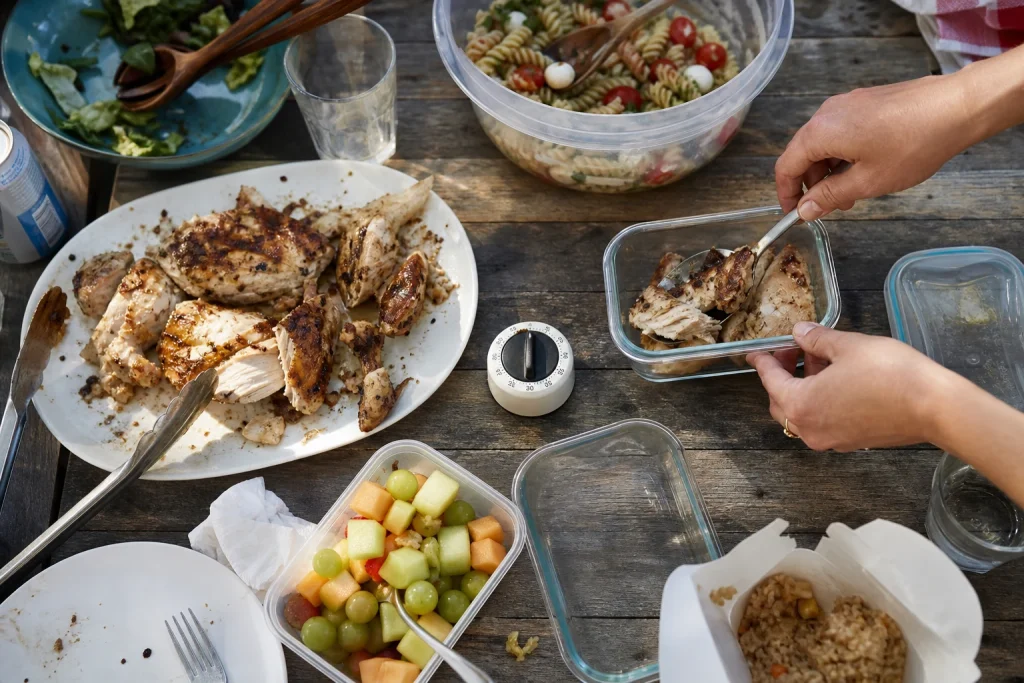
The party is over, the takeout boxes are still on the counter, and nobody remembers exactly when the food arrived. At that point, the question isn’t whether the macaroni still smells good. It is how long a perishable food has been outside safe temperature control.
Most perishable cooked food should be refrigerated within two hours, or within one hour when the surrounding temperature is above 90 degrees Fahrenheit. If it has remained out longer, the safer decision is to discard it rather than refrigerate it for tomorrow.
Start the clock when temperature control ends
The clock doesn’t start when dinner ends or when the last guest leaves. It starts when hot food is no longer held at 140 degrees Fahrenheit or above, or cold food is no longer held at 40 degrees or below.
That distinction matters at buffets, cookouts, potlucks, deliveries, and long car rides. A tray can spend an hour in transit, another hour on the table, and then look as though it was “only out during dinner” when the total time has already reached the limit.
Smell cannot reset the clock
Food that causes illness doesn’t always look, smell, or taste spoiled. Sampling a bite isn’t a safety test, and reheating may not undo every risk created while bacteria multiplied or produced toxins.
The USDA Food Safety and Inspection Service explains that bacteria grow rapidly between 40 and 140 degrees Fahrenheit and advises following the two-hour rule for food left out. When the air temperature exceeds 90 degrees, as it can at a summer cookout or inside a hot vehicle, the limit drops to one hour.
Which foods need the clock?
Use the rule for perishable foods such as cooked meat and poultry, seafood, eggs, casseroles, cooked grains, dairy-based dishes, cut melons, and many prepared leftovers. Shelf-stable foods such as crackers, bread, cookies, and whole uncut fruit don’t carry the same refrigeration requirement.
If you are unsure whether a prepared dish is perishable, check its storage instructions or treat it conservatively. This is especially important when serving pregnant people, young children, older adults, or anyone with a weakened immune system because foodborne illness can have more serious consequences for them.
Cool leftovers quickly instead of parking a large pot in the refrigerator
Divide large amounts into shallow containers so the food cools more quickly and evenly. Label the container with the date if your household tends to lose track of leftovers.
USDA guidance says safely refrigerated leftovers generally should be used within three to four days. Freezing extends storage, but it doesn’t rescue food that already spent too long at room temperature before it reached the freezer.
When nobody knows the time, uncertainty is part of the decision
If one person says the food came out at six and another thinks it was five, you don’t have a reliable one-hour window. You have an unknown history.
Throwing away food is frustrating, especially when it was expensive or carefully prepared, but the useful habit is to set a phone timer when a buffet begins, return cold food to a cooler between servings, and refrigerate portions before the evening becomes too busy to remember. That turns tomorrow’s guess into today’s simple decision.