What Should a Farm or Agricultural Business Put in a Service Agreement?
Agricultural services can affect a season's yield, livestock health, regulatory compliance, equipment availability, storage, and the timing of a product that may lose value quickly. A low quote isn’t useful when the provider and producer are pricing different acreage, quality, timing, inputs, or risk.
You should put the scope, assumptions, records, and response to changing conditions in writing before work or delivery begins.
Define the service in operational terms
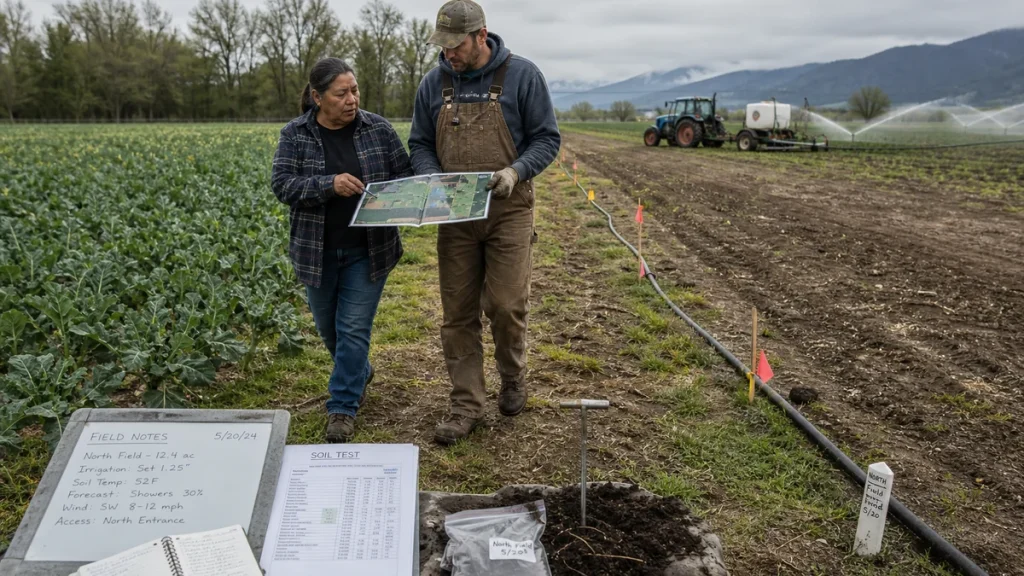
Identify fields, acreage, animals, facilities, commodities, equipment, application rates, quality standards, timing windows, and required results. Include maps, access, utilities, biosecurity, weather constraints, and who supplies fuel, seed, chemicals, parts, labor, or testing.
Ask which information the provider relied on when quoting. Soil, crop, herd, equipment, and site conditions can change the method and price, so unstated assumptions are a common reason both parties believe they agreed to different work.
Verify licenses, insurance, and experience
Requirements vary by service and location. Ask about licenses, applicator credentials, vehicle or equipment compliance, worker training, insurance, and experience with the crop, animal, structure, or machinery involved.
You should verify critical credentials with the issuing body rather than accepting a logo on a proposal. Confirm whether subcontractors will perform any work and whether the same requirements apply to them.
Allocate responsibility for timing and conditions
Agricultural work often depends on weather, moisture, temperature, biological conditions, delivery windows, and commodity standards. The agreement should state who monitors conditions, who may postpone work, how notice is given, and how mobilization or standby costs are handled.
For production or marketing arrangements, define ownership, inputs, quality, quantity, pricing formula, inspection, delivery, rejection, and risk of loss. The USDA Economic Research Service overview of agricultural contracts distinguishes marketing contracts from production contracts and shows why ownership and responsibilities matter.
Require useful records
Ask for dates, locations, quantities, application or service records, operator information, test results, delivery tickets, temperatures where relevant, and deviations from the plan. Records should be detailed enough to support payment, traceability, compliance, insurance, and a later dispute.
Don’t wait until something fails to decide what evidence matters. The USDA discussion of produce-contract disputes emphasizes contract terms, transit conditions, product condition, and timely inspection evidence.
Questions before hiring
- What exact acres, animals, commodities, systems, or equipment are included?
- Which assumptions affect price and timing?
- What licenses, insurance, and specialist experience apply?
- Who supplies each input and controls each decision?
- How do weather or changing field conditions alter the work?
- Which records, tests, and delivery documents will I receive?
- How are damage, contamination, delay, rejection, and rework handled?
- What are the approval and dispute steps?
A clear agricultural agreement doesn’t eliminate weather or biological uncertainty. It makes sure the uncertainty isn’t compounded by confusion over who was supposed to observe, decide, document, and respond.