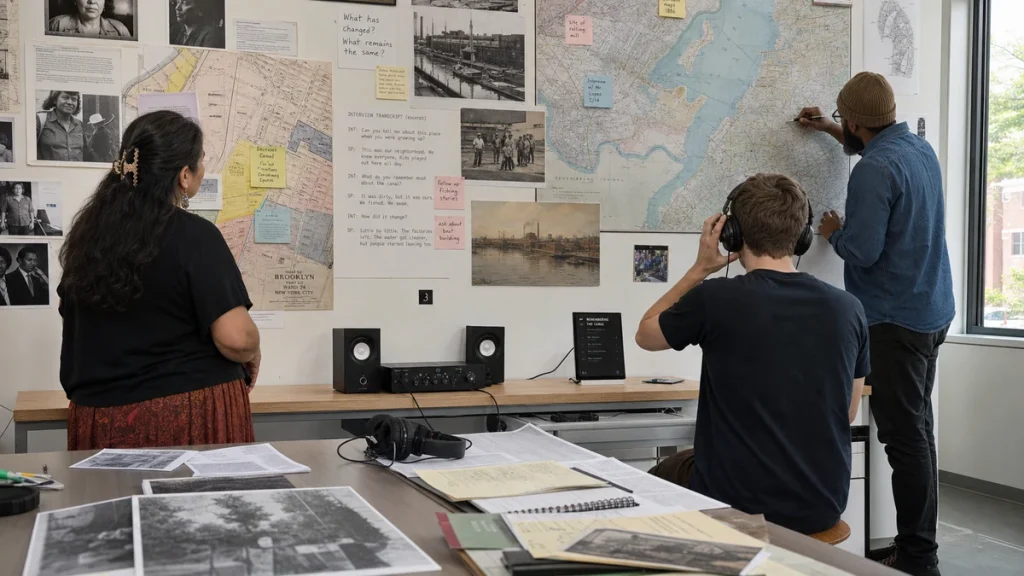
How to Evaluate an Interdisciplinary Arts or Humanities Program
Some arts and humanities programs don’t fit a familiar label. A project may combine oral history, performance, public art, archives, technology, language, and community research in a way that is genuinely interdisciplinary.
The unusual label isn’t a problem by itself, but you should ask for concrete answers about the work, the people, the methods, the costs, the rights, and the outcome because novelty can make vague promises harder to recognize.
Ask what participants will actually do
Replace broad descriptions with verbs. Will you interview residents, digitize records, create an installation, attend seminars, write criticism, perform, publish, learn a craft, or contribute to research?
Ask what a normal session looks like and what the final result will be. "An immersive exploration of memory" may describe a meaningful project, but it doesn’t tell you whether you will spend eight weeks making audio recordings, discussing readings, or watching presentations.
Identify the disciplines and who is responsible for each
Interdisciplinary work is strongest when the program explains what each discipline contributes. Review the organizers' relevant experience and ask who teaches, supervises technical work, handles community relationships, and approves the final presentation.
Don’t assume one impressive advisor is involved in day-to-day delivery. You should know which people you will actually work with and whether the program has the skills required for every major part of the project.
Check ethics, consent, and ownership
Projects involving interviews, family records, cultural materials, children, vulnerable people, or community stories may require informed consent, privacy protections, respectful cultural practice, and a clear withdrawal process. Ask how recordings, names, images, and sensitive information will be stored and used.
Confirm who owns participant work and project documentation. The agreement should address exhibition, publication, editing, attribution, commercial reuse, archives, social media, and whether participants can receive copies of what they helped create.
Understand the full commitment
Ask about tuition or fees, materials, travel, equipment, software, performance dates, public events, physical demands, and unpaid preparation. A low registration fee can conceal a large materials bill or schedule that requires weekday availability.
You should also confirm accessibility for the venue, the digital platform, the materials, the communication, and the final event. If accommodations require early planning, ask before the project reaches a stage where organizers claim changes are no longer possible.
Use a clarity test before you enroll, fund, or partner
You should be able to explain:
- the central question or purpose
- what participants do each week
- who leads each important part
- what is produced and who receives it
- the complete cost and schedule
- how consent, privacy, and cultural concerns are handled
- who owns and may reuse the work
- how success will be evaluated
An unfamiliar category can signal original work that deserves attention. It can also hide a program that hasn’t made basic decisions. You don’t need to force the project into a traditional label. But the organizers should be able to explain what you’ll do and why those different disciplines belong together, so you can judge the program on more than an interesting description.