How to Choose a Hobby You Will Actually Keep Doing
The easiest hobby to admire isn’t always the easiest hobby to live with. You may love the idea of woodworking, ceramics, photography, or playing an instrument and still discover that the cost, setup, noise, schedule, or learning environment doesn’t fit your week.
You should choose a hobby by the experience you want and the conditions you can realistically support. That gives you a better chance of enjoying the activity instead of collecting equipment for a version of yourself who never has time to use it.
Decide what you want the hobby to provide
Ask how you want to feel while doing it. You may want quiet concentration, movement, social connection, creative expression, competition, time outdoors, or a break from screens.
Those needs point toward different activities. A social dance class and solo watercolor painting can both be creative, but they solve very different problems in your life.
Don’t demand that one hobby improve your health, create friends, earn money, build a portfolio, and make every free hour productive. Turning leisure into another performance review can remove the reason you wanted it.
Try the activity before buying lots of equipment
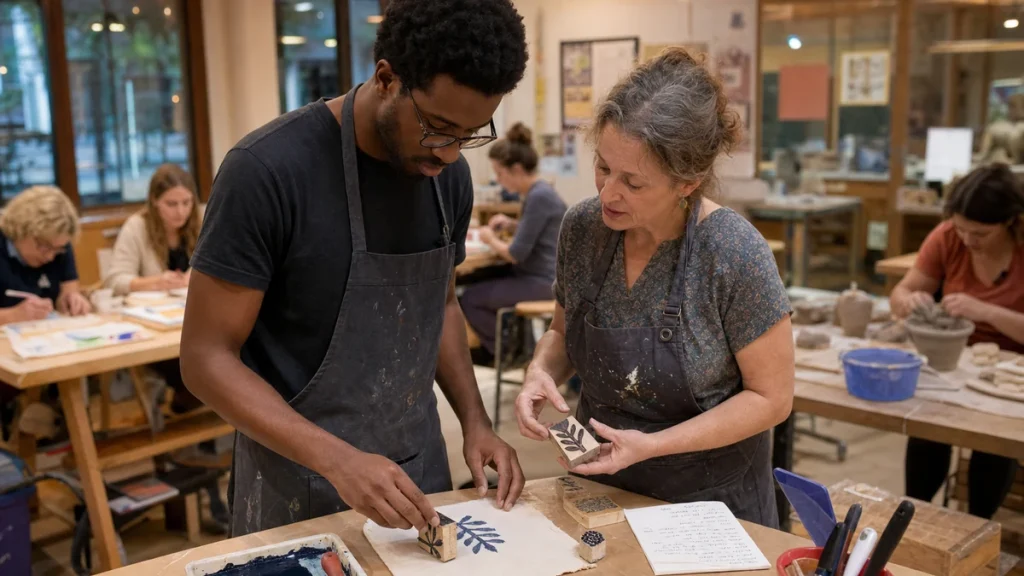
Rent, borrow, take an introductory class, visit a club, or buy the smallest starter set that lets you complete a real session. Research and equipment shopping can feel like participation, but they don’t tell you whether you enjoy the repetitive middle of the activity.
You should try the hobby more than once unless the first attempt reveals a clear barrier. The first session often measures unfamiliarity; the next few tell you whether curiosity survives after the novelty fades.
Measure the friction honestly
Write down the time needed for travel, setup, cleanup, practice, storage, and recovery, not only the advertised class length. A one-hour activity can require most of an evening when the studio is across town or equipment must be assembled and cleaned.
Consider:
- realistic weekly time
- startup and continuing costs
- space, noise, and storage
- physical access and safety
- whether you prefer instruction or self-direction
- whether missing a week makes it difficult to return
- local clubs, shops, studios, or mentors
If getting started takes more time, space, or effort than you can manage, try a smaller version of the hobby. Sketch for twenty minutes instead of building a full studio, use a community workshop instead of buying machinery, or take a monthly class before committing to weekly lessons.
Choose support that fits how you learn
A good instructor should explain what beginners will make or do, required materials, total costs, safety expectations, class size, and what happens when someone falls behind. Ask whether you can observe a session or take a single class before purchasing a long package.
A club may be better when motivation comes from shared practice rather than formal instruction, but you should confirm the expected skill level, meeting format, dues, equipment rules, and whether newcomers receive help or are expected to arrive prepared.
Give yourself a fair review point
Set a modest experiment, such as four sessions or one small completed project. At the end, ask whether you enjoyed the process, could afford the ongoing cost, and wanted to return even when progress was slow.
Don’t keep a hobby only because you bought supplies, and don’t call the experiment a failure if it taught you that you prefer a different pace, environment, or kind of challenge.
Look for something that fits your time, budget, and space, and that you enjoy doing while you’re still learning. You don’t have to choose a hobby because it sounds impressive or wait until you’re good at it to enjoy it.